




Sun damage has a way of catching up with you. The fine lines, uneven tone, rough patches, and stubborn pigmentation that show up years after too many unprotected afternoons outdoors are not easy to shake with a basic moisturizer. Treating sun damage red light at home has become one of the more credible options available to people who want real results without a dermatology appointment. The science behind it is solid enough to take seriously, but the market is full of devices that promise more than they can deliver. This guide cuts through the noise and gives you a practical, safety-first framework for getting the most out of red light therapy at home.
Table of Contents
- Key Takeaways
- Choosing the right setup for treating sun damage red light at home
- How to run your sessions step by step
- Common mistakes that undermine your results
- What to expect and how to track your progress
- My honest take on red light therapy for sun damage
- How Square supports your red light therapy practice
- FAQ
Key Takeaways
| Point | Details |
|---|---|
| Device specs matter most | Choose devices with verified wavelengths (630-670nm or 810-850nm) and known irradiance levels for real results. |
| Eye protection is non-negotiable | Standard sunglasses do not block near-infrared light; use goggles rated for 600-900nm during every face session. |
| Acute sunburn first, therapy second | Cool and soothe a fresh sunburn before starting any red light therapy to avoid worsening irritation. |
| Consistency drives results | Sessions of 10-15 minutes several times per week produce better outcomes than occasional long exposures. |
| Sun protection stays essential | Red light therapy supports repair, but daily SPF 45+ use prevents new damage from undoing your progress. |
Choosing the right setup for treating sun damage red light at home
Before you switch on a single device, you need to understand what separates a useful tool from an expensive light show. At-home devices vary widely in wavelength specificity, irradiance, treatment distance, and light uniformity. Those four variables determine whether your skin cells actually receive a therapeutic dose of light or just a warm glow.
Device types worth considering
Three categories of home devices are commonly used for LED light therapy for skin repair:
- LED panels: Larger flat panels that treat broad areas like the full face, chest, or shoulders in a single session. They tend to offer more consistent irradiance across the treatment zone.
- LED masks: Wearable devices designed specifically for the face. Convenient, but quality varies enormously. Look for masks that specify wavelength output rather than just listing “red light.”
- Handheld devices: Portable and flexible for targeting specific spots like the backs of hands or isolated patches of discoloration. Useful as a supplement to a panel, less practical as your only tool.
What the specs actually mean
The two wavelength ranges with the most research support are visible red light (approximately 630-670nm) and near-infrared light (approximately 810-850nm). Visible red penetrates the surface layers of skin and supports collagen production and cellular repair. Near-infrared goes deeper, reaching connective tissue and supporting broader tissue recovery. Many of the best red light devices combine both ranges in a single panel.
Irradiance, measured in milliwatts per square centimeter (mW/cm²), tells you how much light energy reaches your skin per unit of time. Without this number, you cannot calculate your actual treatment dose. If a device’s marketing materials skip this figure entirely, that is a red flag.
| Device type | Best for | Wavelength range | Key consideration |
|---|---|---|---|
| LED panel | Face, chest, shoulders | 630-670nm and/or 810-850nm | Check irradiance at stated distance |
| LED mask | Face only | 630-670nm | Verify wavelength specs, not just color |
| Handheld device | Targeted spots | 630-670nm or 810-850nm | Slower coverage, useful for precision |
Preparing your skin and your space
Your skin should be clean and free of makeup, sunscreen, and any topical products before each session. Residue from creams or serums can absorb or scatter light before it reaches your skin cells, reducing the dose you actually receive.
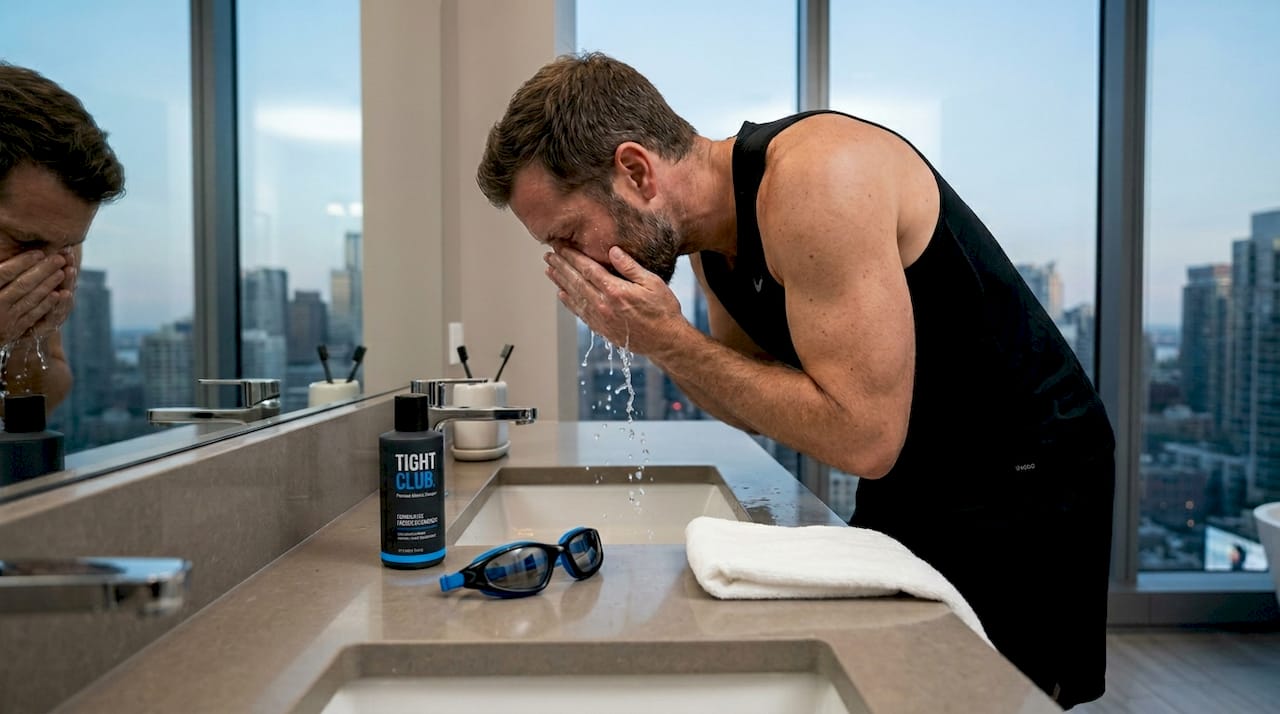
Standard sunglasses do not block near-infrared wavelengths, which means they offer no real protection during face treatments. You need goggles specifically rated to block 600-900nm. This is not optional.
Pro Tip: Buy your goggles at the same time as your device. Waiting until after your first session is one of the most common mistakes new users make.
How to run your sessions step by step
Getting the protocol right is where most home users fall short. The good news is that the process is straightforward once you understand the reasoning behind each step.
-
Clean your skin thoroughly. Wash your face or target area and pat dry. No serums, no oils, no SPF. You want a clear path for the light.
-
Put on your goggles before powering on the device. Closed eyelids are not a substitute for proper eye protection during close-range face treatments. Get the goggles on first, every single time.
-
Position yourself at the correct distance. Most LED panels specify an optimal treatment distance, typically between 6 and 12 inches from the skin surface. Closer is not always better. Staying within the manufacturer’s recommended range keeps your irradiance dose within the therapeutic window.
-
Set a timer for 10-15 minutes. Typical protocols suggest sessions of 10-15 minutes multiple times per week. Longer sessions do not proportionally increase benefits and can push you past the optimal dose.
-
Stay still and relaxed. Moving around during a session changes your distance from the panel and creates uneven coverage. Treat it like a short meditation.
-
Power down before removing goggles. Turn the device off, then remove your goggles. This sequence protects your eyes from any residual light during shutdown.
-
Apply your post-treatment skin care routine. After a session is an ideal time for serums and moisturizers, as some evidence suggests light therapy may support better product absorption through increased cellular activity.
Face vs. body treatment comparison
| Variable | Face protocol | Body protocol |
|---|---|---|
| Distance from device | 6-10 inches | 6-12 inches |
| Session duration | 10-12 minutes | 12-15 minutes |
| Frequency per week | 3-5 sessions | 3-4 sessions |
| Eye protection required | Yes, always | Yes if beam is near eye level |
| Skin prep | Clean, no makeup or SPF | Clean, no lotion or oil |
Handling acute sunburn vs. chronic sun damage
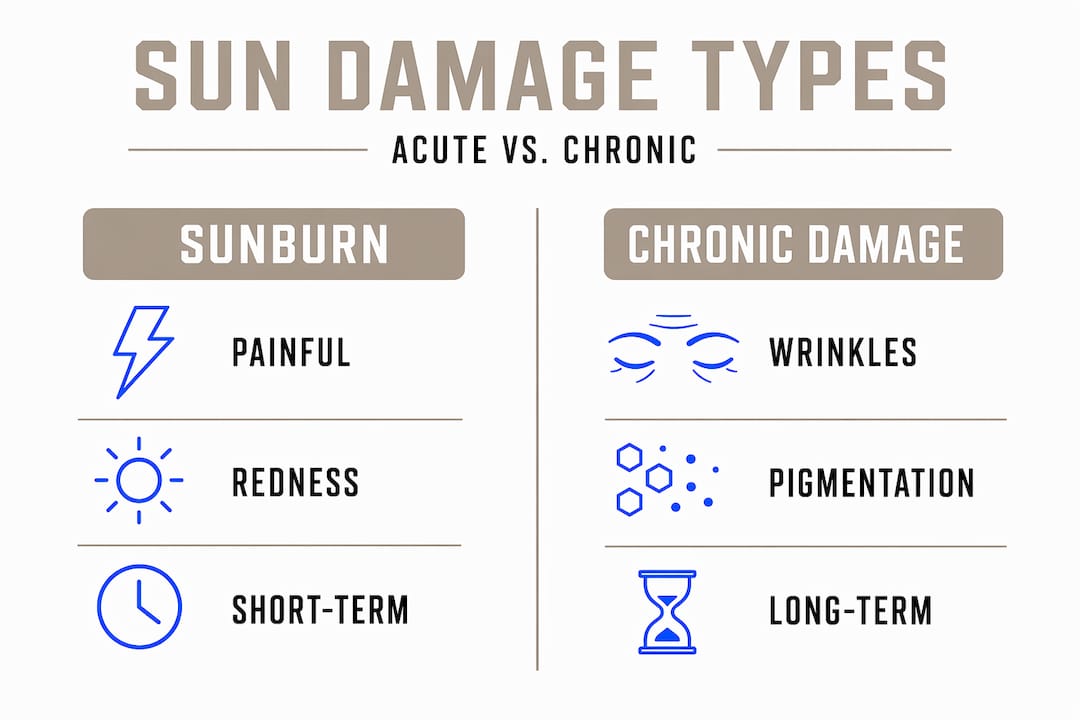
This distinction matters more than most people realize. If you have an active, painful sunburn, red light therapy is not your first step. NHS guidance emphasizes cooling and covering sunburnt skin until it has healed, using cool water, soothing lotions, and hydration. Applying light therapy to inflamed, damaged skin before it has calmed down risks worsening irritation. Wait until the burn has fully resolved before starting or resuming red light sessions.
Pro Tip: Schedule your sessions at the same time each day, ideally in the morning before applying SPF. Consistency in timing makes it easier to build the habit and track your progress accurately.
Common mistakes that undermine your results
Even people who buy quality devices often run into problems that reduce effectiveness or create safety risks. Knowing what to watch for saves you time and protects your skin.
- Skipping eye protection. Goggles blocking 600-900nm wavelengths prevent retinal stress during repeated sessions. Cumulative high-intensity exposure at close range is a real concern, even though individual photons at these wavelengths carry less energy than UV.
- Assuming more time equals better results. Overexposure can actually inhibit the cellular responses you are trying to trigger. The therapeutic dose has a ceiling, and exceeding it does not accelerate healing.
- Using devices with no verifiable specs. Many consumers underestimate the importance of device specifications. Without verified wavelength and irradiance data, results may be suboptimal at best and misleading at worst.
- Treating active sunburn with red light. As noted above, this is a sequencing error that can worsen skin irritation. Cool the burn first.
- Ignoring skin reactions. If you notice increased redness, tingling that does not resolve, or new breakouts after starting therapy, reduce session frequency and consult a dermatologist before continuing.
If your skin feels worse after two weeks of consistent sessions, the problem is almost always either the device, the protocol, or an underlying skin condition that needs professional attention. Red light therapy should feel comfortable during and after treatment, not irritating.
What to expect and how to track your progress
Setting realistic expectations is one of the most useful things you can do before you start. Red light therapy has legitimate scientific backing for skin repair, but it works gradually and works best as part of a broader skin care routine rather than as a standalone fix.
Most people notice improvements in skin texture and tone within four to eight weeks of consistent use. Fine lines and surface redness often respond faster than deeper pigmentation changes, which can take three to six months. Chronic photoaging built up over years does not reverse in a few sessions.
Here is what you can realistically expect red light therapy to support:
- Improved skin texture and smoothness
- Reduction in surface redness and inflammation
- Gradual improvement in fine lines through collagen stimulation
- More even skin tone over time with consistent use
And here is what it cannot do on its own:
- Fully reverse deep pigmentation from years of UV exposure
- Replace SPF protection against new damage
- Substitute for professional treatment of severe photoaging or skin cancer screening
UV damage may not be fully reversible, but combining diligent broad-spectrum sunscreen with SPF 45+ and light therapy gives your skin the best chance at meaningful improvement. Reapply sunscreen every two to three hours during sun exposure. This is not negotiable if you want your therapy sessions to count.
Pro Tip: Take a photo of your target area in consistent lighting every two weeks. Progress in skin texture and tone is often too gradual to notice day-to-day, but side-by-side comparisons over two months tell a clear story.
Complementing your sessions with home remedies for sun damage like topical antioxidants (vitamin C serums, niacinamide) and adequate hydration supports the repair process from multiple angles. If you are not seeing any change after eight to twelve weeks of consistent, protocol-correct sessions, a dermatologist visit is worth scheduling.
My honest take on red light therapy for sun damage
I have watched the red light therapy space go from fringe wellness trend to mainstream skin care recommendation, and I have seen both sides of what that shift produces. The genuine benefits are real. The hype is also real, and they do not always come from different sources.
What I have learned is that red light therapy works best as an adjunct in skin care, not as the centerpiece. The people I see getting the most out of it are the ones who already have a solid sun protection habit, a consistent skin care routine, and realistic expectations. They use red light therapy to accelerate repair, not to replace the fundamentals.
The device selection problem is real and underappreciated. I have seen people spend significant money on devices that list “red light” as a feature without specifying wavelength or irradiance. Those devices may do something. They probably do not do what the research demonstrates. Spend the extra time verifying specs before you buy.
Eye protection is the non-negotiable I feel most strongly about. I have heard too many people say they just close their eyes during face treatments. That is not enough. Get the goggles. Wear them every session. The retinal risk from cumulative close-range exposure is not worth ignoring.
My overall take: red light therapy is one of the more promising tools available for treating chronic sun damage at home, but it rewards patience, protocol, and honest self-assessment. If you go in expecting a slow, steady improvement supported by good skin care habits, you will likely be satisfied. If you go in expecting a shortcut, you will be disappointed.
— Jess
How Square supports your red light therapy practice
If you are ready to take treating sun damage with red light at home seriously, having the right equipment makes all the difference. Square’s Tight Club brings together a curated selection of red light therapy devices built around the specifications that actually matter: verified wavelengths, known irradiance levels, and designs suited for consistent home use.

Every device available through Tight Club is selected with evidence-aligned standards in mind, so you are not guessing about whether your panel delivers a therapeutic dose. The shop also carries protective goggles rated for the full 600-900nm range, so you can set up your complete protocol in one place. Whether you are starting with a targeted handheld device or investing in a full LED panel for broader treatment areas, the Tight Club shop offers options with the transparency and support you need to use them safely and effectively.
FAQ
What wavelengths work best for sun-damaged skin?
Visible red light in the 630-670nm range and near-infrared light in the 810-850nm range have the strongest research support for skin repair and collagen stimulation. Many quality home devices combine both wavelength ranges in a single panel.
Can red light therapy treat an active sunburn?
No. You should cool, soothe, and hydrate a fresh sunburn before starting any red light therapy. Applying light therapy to inflamed skin can worsen irritation. Wait until the burn has fully healed before resuming sessions.
How long before you see results from red light therapy?
Most people notice improvements in skin texture and surface redness within four to eight weeks of consistent sessions. Deeper pigmentation changes from chronic sun damage can take three to six months of regular use.
Do you need goggles for every red light session?
Yes, for any session targeting the face or upper body where the beam is near eye level. Standard sunglasses do not block near-infrared wavelengths, so purpose-made goggles rated for 600-900nm are required for safe, repeated use.
How often should you use red light therapy for sun damage?
Typical protocols recommend sessions of 10-15 minutes three to five times per week for facial treatments. Consistency over weeks and months produces better outcomes than infrequent longer sessions.